

It was early in the First Age, as the Knowing Races only just begun to tentatively expand their reach across the world of Mynochral, when a lone ship ventured southward from the small fishing village and trading outpost that would, in the fullness of time, grow into the sprawling city of Fezeth. Her purpose, to finally answer the question that so regularly hung in the air and mixed with herbaceous pipe smoke, the rich aromas of the kitchens, and the biting scent of dried sweat wafting from the huddled fishermen each afternoon in the local alehouses.
“What is it that waits there but never shows itself?”
Sages recount the crew finding a spreading darkness across the horizon which offered no answers. Within the towering, roiling line of storm clouds, lighting played in jagged lines and rain fell in unending sheets. The same lighting that fishermen caught at the edge of their vision on the clearest of nights when out upon the deep waters, where shoals of the finer fish roamed.
It was this storm, so often seen just at the limit of the horizon, that never came to the young kingdom of Cur’un, or to the sleepy village at the southernmost tip of the mountains known as The Horn, which brazenly jutted out into the southern sea like a ridge of great granite teeth that sought to hide their broken, uneven tips in the clouds above.
At first, the stories say the sailors found the ever-growing wall of grey and black so filled with darkness and shadows that they knew there must certainly be mountains hidden within it. Their experience told them that no clouds could pour forth rains so thick that nothing could be seen beyond them from one day to the next.
It was these crewmen who first muttered the name, “The Tempest Massif,” for the storm churned and clung to what they thought must assuredly have been a towering row of sheer mountains.
This, the sages say, was all the pair of crewman would relate when they washed up on the stony shore, a day’s ride from Fezeth. The rest of the crew, the ship, and her captain would never again be seen.
In the passing of years, others would tentatively sail out into the deeper waters as trade routes were established with more exotic and distant destinations and the crafting of larger and stronger vessels allowed for longer travels.
The storm remained.
In hazy taverns and questionably appointed ships cabins, their captains would begin to piece together maps, shared or stolen from many sources, and come to realize the reach of “The Tempest Massif” to be more than a shrouded mountain range could explain.
Over time, sea-faring men would come to realize that the ever-present storm stretched from east to west with a reach longer than many seagoing ships could sail in more than a month, even with fair winds at their backs. It was as this came to be more widely known that the sailors began, instead, to refer to this as “The Stormwall,” for although no mountains had ever been sighted within the constantly sheeting torrents of rain, the storm itself, and the history of lost or missing ships that slipped through waves upon the seas before the great storm, proved itself sufficient to keep any from traveling beyond the line it drew upon the ocean.
To those who do not make their livings upon these waters, those working the coastal roads, living their lives within the cities such as Fezeth, or those even who never travel into these lands, the unending storm is simply referred to as “The Maelstrom,” and remains the stuff of legends.
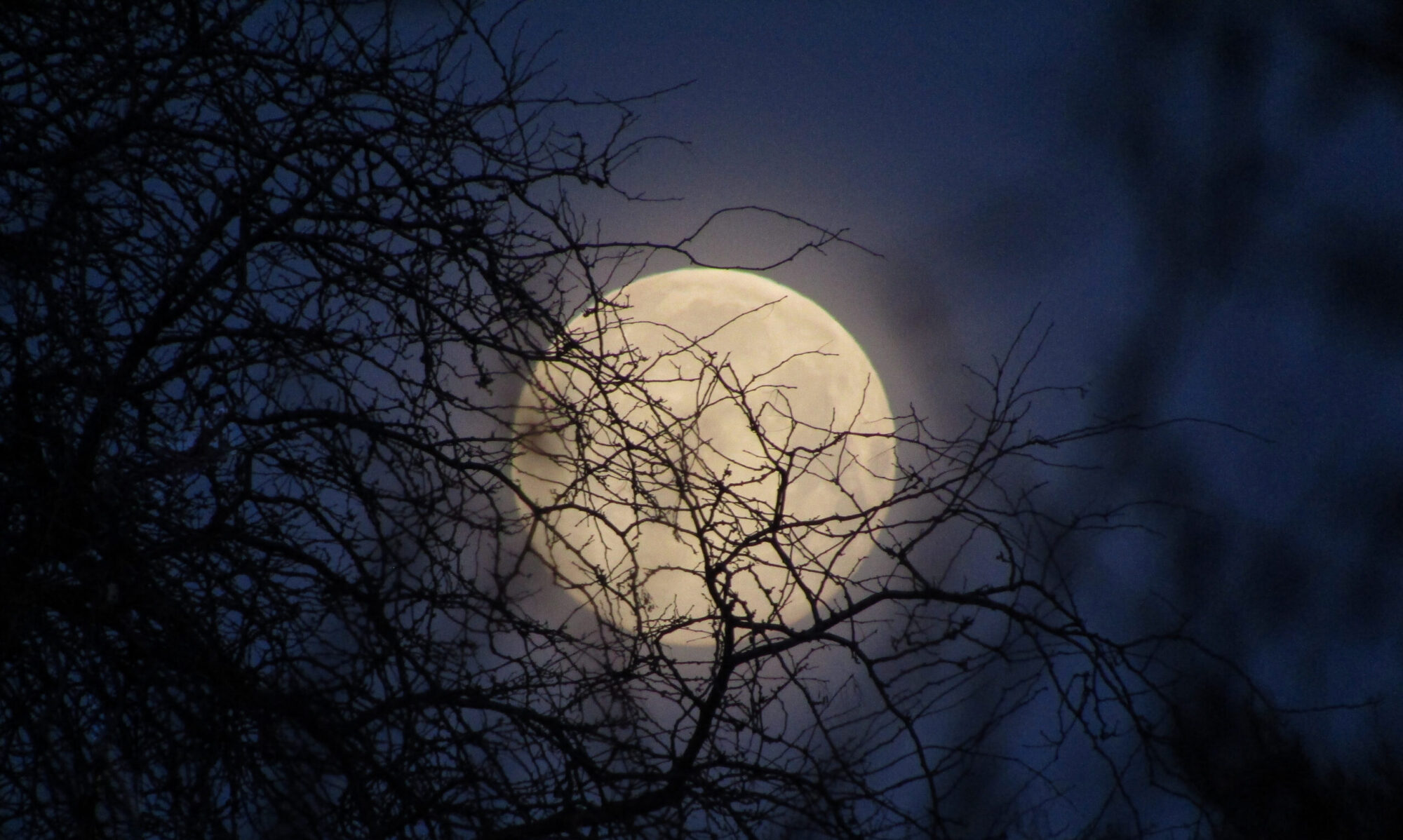
And, if you do find yourself in Fezeth, upon a night so clear that the smallest stars show themselves in the cloudless skies, look to the south. There, in flashes of distant lightning, you may see firsthand the flickering lights that lured those early sailors out into the distant waters.
But, know also that no matter how the flickering sky might give you pause to wait and wonder if the roll of thunder will come even faintly to your ears, what you see from the rooftops of Fezeth churns upon the horizon more than three hundred miles away.
So tall does The Stormwall stand….